

The cultural significance of gambling through historical lenses
Gambling in Ancient Civilizations
Throughout history, gambling has played a significant role in various ancient civilizations. In cultures such as Mesopotamia and Ancient Rome, games of chance were integrated into social and religious practices. For instance, dice dating back to 3000 BC were excavated in ancient ruins, showcasing how games were more than mere entertainment; they reflected beliefs about luck and fate. Such early forms of gambling offered a communal space where individuals could bond over shared experiences, often connected to ceremonial events. Nowadays, platforms like Betscore casino allow for similar communal experiences in a modern context.

In Ancient Rome, betting on gladiatorial contests was commonplace, revealing the intertwining of gambling with social hierarchy and power dynamics. Wealthy citizens often placed large wagers, demonstrating their status and influence. This connection between gambling and societal structures highlights how gambling was not simply a pastime but a lens through which power and economic disparity were displayed. Consequently, it served as both a recreational activity and a means to assert one’s place within the community.
The significance of gambling in these early cultures set a foundation for its evolution in later societies. With the advent of more structured gaming systems and rules, gambling transitioned from informal social gatherings to formalized events. This progression illustrates how gambling adapted to reflect the values and norms of each civilization, ultimately influencing contemporary gaming practices.
The Role of Gambling in the Middle Ages
The Middle Ages marked a pivotal period for gambling, especially in Europe where games of chance began to take a more defined form. Card games emerged during this era, reflecting a shift in gambling culture from traditional bets on physical competitions to skill-based games. The introduction of playing cards in the 14th century not only diversified the types of games available but also transformed gambling into a more socially acceptable activity among various classes, including nobility.
In medieval society, gambling was often viewed through a moral lens. Religious authorities frequently condemned gambling, associating it with sin and vice. Nevertheless, these prohibitions did little to deter its popularity. Paradoxically, gambling became a crucial aspect of social gatherings and festivities, transcending class barriers. The tension between societal disapproval and cultural embrace illustrates gambling’s dual role: as a source of entertainment and a subject of ethical debate.
This era also saw the establishment of the first gambling houses, paving the way for organized betting systems. These venues allowed for the regulation of gambling practices, enabling a formal structure that appealed to various social classes. Thus, the evolution of gambling in the Middle Ages highlights its ability to adapt and flourish despite societal challenges, setting the stage for its future development in the modern world.
Gambling in the Modern Era
The modern era has witnessed a seismic shift in the perception and practice of gambling. The 19th century brought about significant changes with the introduction of state-sanctioned lotteries and the rise of casinos in urban centers. These establishments not only provided entertainment but also generated revenue for local economies. The concept of gambling evolved into a legitimate industry, with laws and regulations emerging to govern its practice.
As technology advanced, so too did the methods of gambling. The late 20th and early 21st centuries saw the advent of online gambling platforms, which revolutionized accessibility. Individuals could now engage in betting from the comfort of their homes, broadening the demographic of participants and altering the landscape of the gambling industry. This shift has opened up discussions about responsible gambling and addiction, as the ease of access can lead to challenges not previously encountered.
Furthermore, the cultural significance of gambling has continued to evolve alongside societal norms. Today, it is often seen as a form of entertainment rather than just a source of income or social status. This perception shift has led to the promotion of responsible gaming practices, as awareness around gambling addiction grows. Understanding these dynamics is crucial in appreciating how gambling maintains its cultural relevance in contemporary society.
The Influence of Gambling on Popular Culture
Gambling’s rich history has permeated popular culture in myriad ways, influencing literature, films, and music. From the archetype of the gambler in classic novels to the depiction of high-stakes poker in modern films, gambling serves as a powerful narrative device. These portrayals often reflect societal attitudes toward risk, luck, and morality, offering a mirror to the audience’s own beliefs and experiences.
The glamour and thrill associated with gambling are also evident in popular music, where lyrics frequently explore themes of chance, loss, and desire. For instance, songs that evoke the imagery of casinos or card games tap into the allure of gambling, while simultaneously addressing the darker aspects of addiction and betrayal. This duality in representation showcases how gambling transcends mere entertainment to become a focal point for deeper social commentary.
Moreover, the rise of reality television has introduced gambling-themed shows that further blur the lines between entertainment and real-life consequences. These programs often emphasize the excitement of high-stakes gambling while subtly acknowledging the risks involved. As such, they play a pivotal role in shaping public perception and understanding of gambling as a cultural phenomenon, highlighting its complexities beyond just a game of chance.
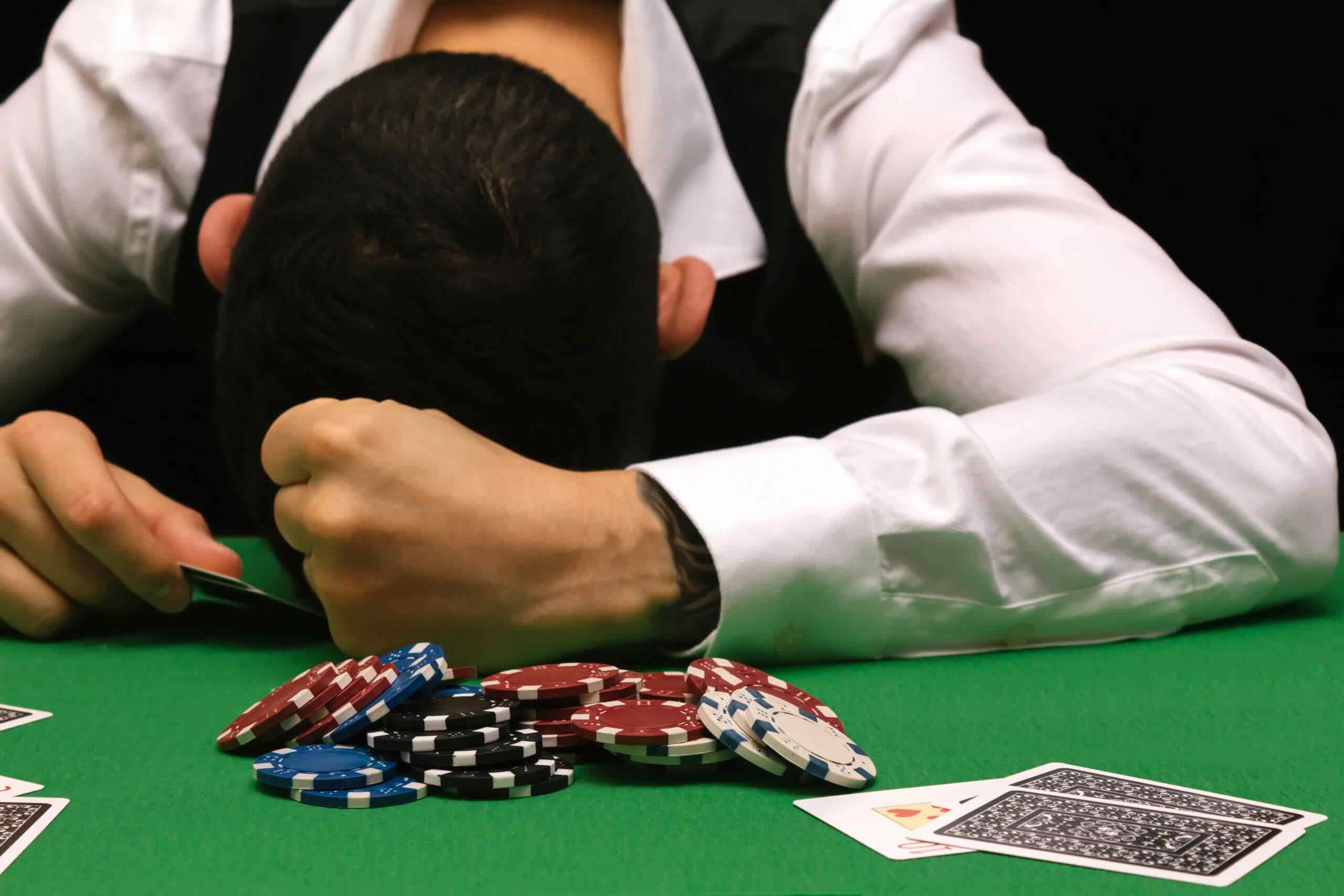
Responsible Gambling at BetScore Casino
At BetScore Casino, we recognize the cultural significance of gambling and the importance of promoting responsible gaming practices. Our platform provides a diverse range of gaming experiences while prioritizing player safety and well-being. Understanding the historical context of gambling allows us to create a more enriching and secure environment for our users.
We strive to raise awareness about gambling addiction through educational resources and support systems available on our website. By acknowledging the complexities surrounding gambling, we aim to foster a community that not only enjoys gaming for entertainment but also understands the risks associated with it. Our commitment to responsible gambling reflects our dedication to providing an enjoyable and trustworthy gaming experience.
Join us at BetScore Casino to explore an extensive selection of games while embracing a culture of safety and responsibility. Together, we can celebrate the rich history of gambling while fostering a positive gaming environment for all players. Your experience matters to us, and we are here to support you on your gaming journey.